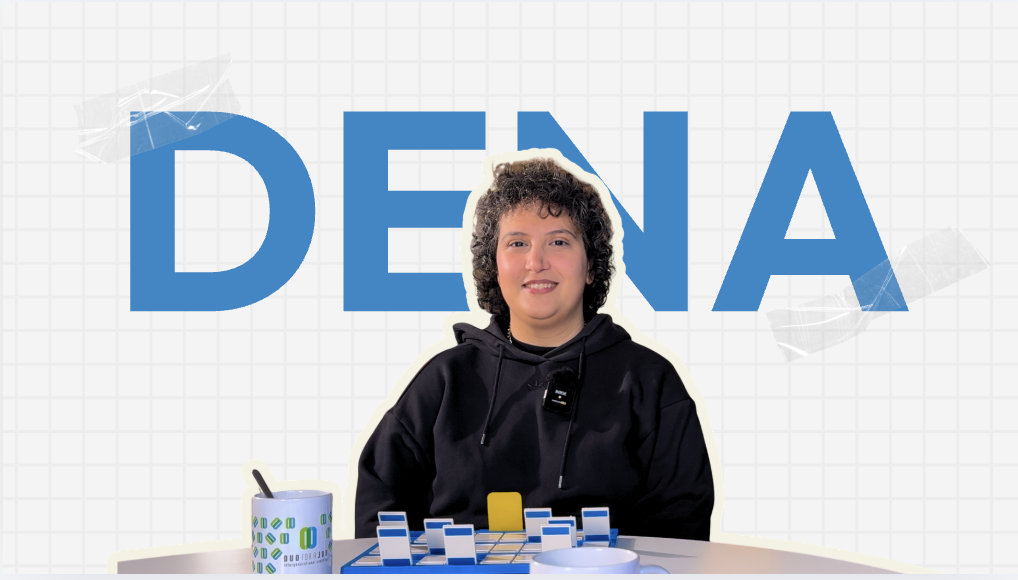
Somewhere in Antwerp, Dima is getting ready for her first day of work as a logistics employee. She was a surgeon in Palestine. She speaks four languages. She waited years for a decision on her asylum application. She is a refugee. But that does not define her. What matters is the opportunities society provides her and the space it offers for her to build a new life. Because her future also determines the future of society.
Here are three things to know about refugees for World Refugee Day.
What should you know about refugees?
1. ✅ The majority of refugees are hosted in "developing" countries
Where do the majority of the world's refugees live?
According to the UN Refugee Agency (UNHCR), by the end of 2025, 118 million people worldwide were forcibly displaced due to war, violence, persecution, or human rights violations. That represents 1 in every 70 people on Earth. 42 million people are classified as refugees, meaning they have sought protection in another country and cannot safely return to their home country.
Yet, wealthier "Western" countries host only a small fraction of them. 68% of refugees are hosted in low- and middle-income countries neighboring their countries of origin. In Belgium, approximately 35,000 people applied for protection in 2025. The Office of the Commissioner General for Refugees and Stateless Persons (CGRS) ultimately recognized 28.4% of applicants as being in need of protection. "Forced" migration is therefore a global challenge, primarily shouldered by the least "prepared" countries.
➡️ More about our mission here.
2. ✅ "Being a refugee" is not an identity in itself
Who are the refugees in Belgium?
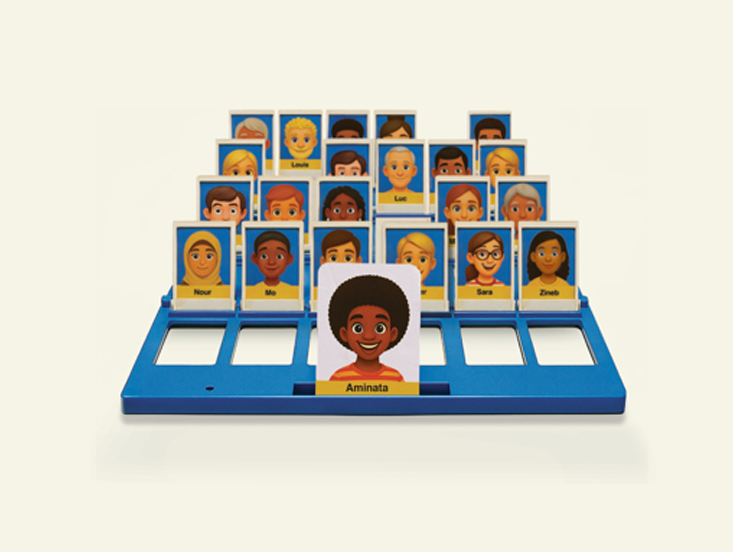
In public debate, the term "refugee" is often used as a category in itself. As if it were a homogeneous group, with the same needs and the same backgrounds.
But behind this word lie doctors, engineers, teachers, electricians, lawyers, students, parents, and entrepreneurs. People who are rich and poor. People who are tenacious, tormented, creative, and enterprising. In short, this "group" covers an entire diversity of human beings and life paths. "I worked day and night in a war zone in Gaza. I had invested ten years of my life to become a doctor. I was good at what I did. Here, I went to a temp agency. I speak Arabic, perfect English, good Dutch, and also French. The temp agency sent me as a logistics worker in a port company. It was my only option... So when people talk about 'motivation'... for what?" says Dima, a young mentee supported by DUO for a JOB.
I speak Arabic, perfect English, good Dutch, and also French. The temp agency sent me as a logistics worker in a port company.
At DUO for a JOB, we have been supporting people with refugee status for years. Of the 3,600 refugees supported by the organization :
📌 74% already had professional experience abroad.
📌 64% had professional experience in Belgium.
Many hold a degree, but getting it recognized here is difficult, and in some cases, impossible. The language barrier, a limited network, and a lack of familiarity with the norms of the Belgian labor market also play a role. However, these are surmountable obstacles. With a mentor from DUO for a JOB, 7 out of 10 refugees find sustainable employment or training.
3. ✅ A dignified reception allows refugees to unlock their potential
Why does a dignified reception for refugees benefit society as a whole?
Obtaining refugee status can be a long process. This period is often marked by a lengthy migration journey, with months or even years of waiting for a decision on an asylum application. Today, the right to reception is not guaranteed. And the rights of migrants are increasingly under pressure : access to social assistance or social housing subject to strict conditions, stricter rules for family reunification, restrictions on obtaining Belgian nationality, etc.
A person stressed by administrative or financial worries, without family support or a recognized degree, is someone for whom it is difficult to fully develop their professional goals. "If an expense of €100 came up this week, I might have to sleep on the street tomorrow. I don't have family here. If I had family here, they could help me, but I live alone. And I'm told that if I don't find work, I will eventually lose my integration income too." explains Dima.
I don't have any family here. If I did, they could help me, but I live alone.
After 5 years, 29 to 37% of recognized refugees have a job; after ten years, this figure rises to 50%. Most people (81%) have had one or more work experiences during this period, but the jobs are often short-term and unstable. Sustainable employment remains the major challenge. Guaranteeing social rights and tailored support is therefore not "charity." It is a collective choice that benefits everyone. Every talent left behind is a missed opportunity for society as a whole.
➡️ Read our article on the economic contribution of migration here.
Investing in a dignified welcome means investing in our society
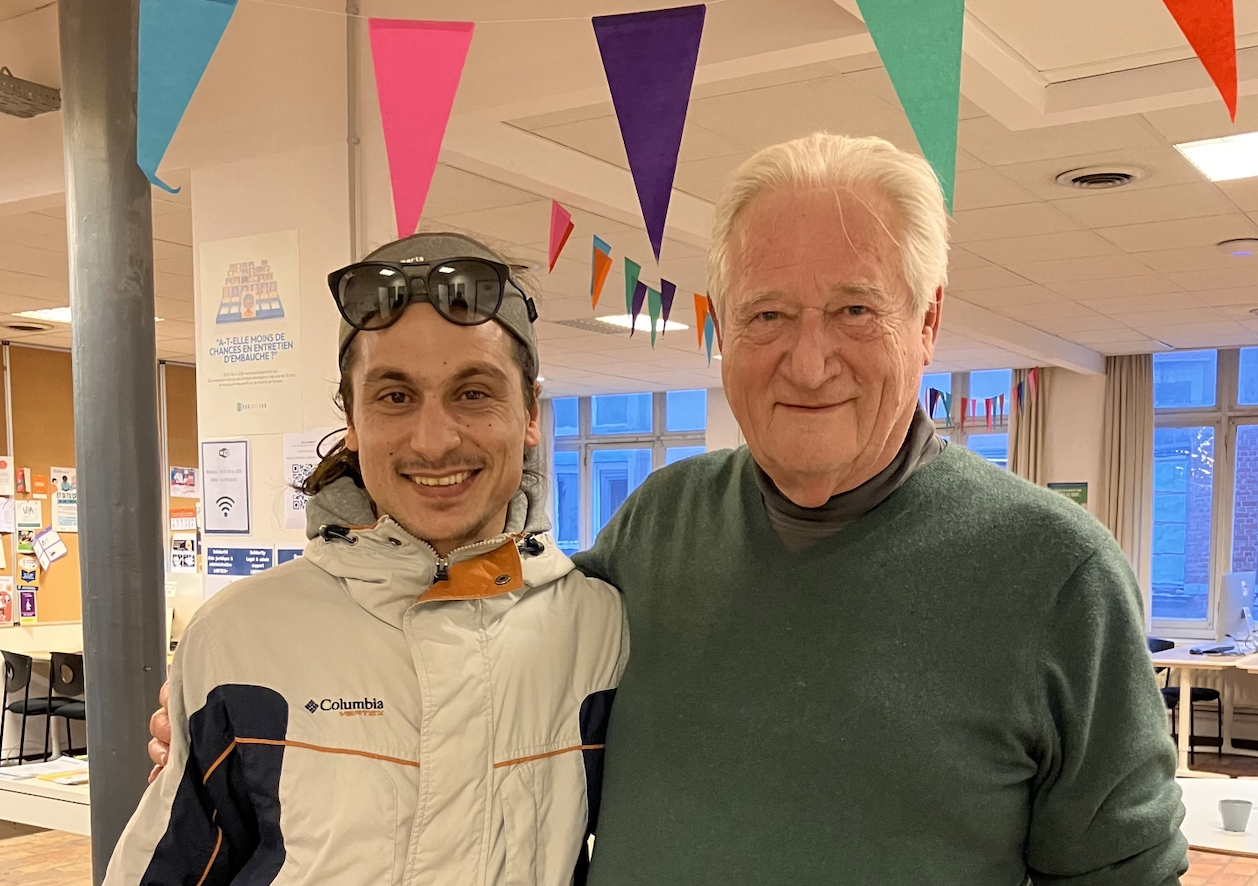
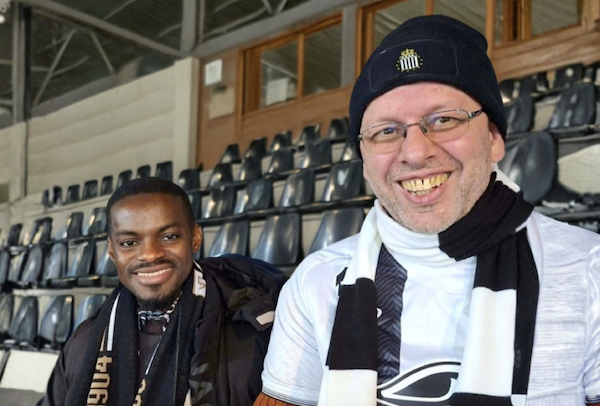
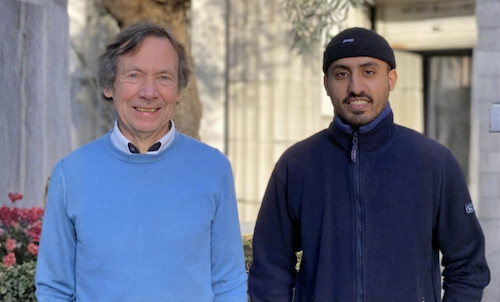
Since 2013, DUO for a JOB has been connecting young people from immigrant backgrounds with experienced volunteer mentors over the age of 50. For six months, they work together on a concrete goal: sustainable integration into the job market.
Refugees are people full of talent, experience, dreams, and ambitions who want to contribute to society. A society that offers opportunities and provides a dignified welcome is a society that enables refugees to find their place.
On the occasion of World Refugee Day, DUO for a JOB asks the question: what do we want to offer these people who want to rebuild their lives here? In our view, the answer must be twofold:
📌 Guarantee their rights
📌 Ensure a dignified welcome and supportive guidance
Because a society that invests in dignified reception invests in itself.
Sources
- UNHCR. Global Trends Report 2025.
- Office of the Commissioner General for Refugees and Stateless Persons. Asylum statistics: 2025 overview
- Carpentier, S., & Schoumaker, B. (2019). Socio-demographic profile and socio-economic careers of people granted international protection in Belgium, 2001-2014.
Discover DUO for a JOB and its impact here.
🎥 Watch the story of Murad, a refugee supported by DUO for a JOB ⤵️


%20(1).png)